
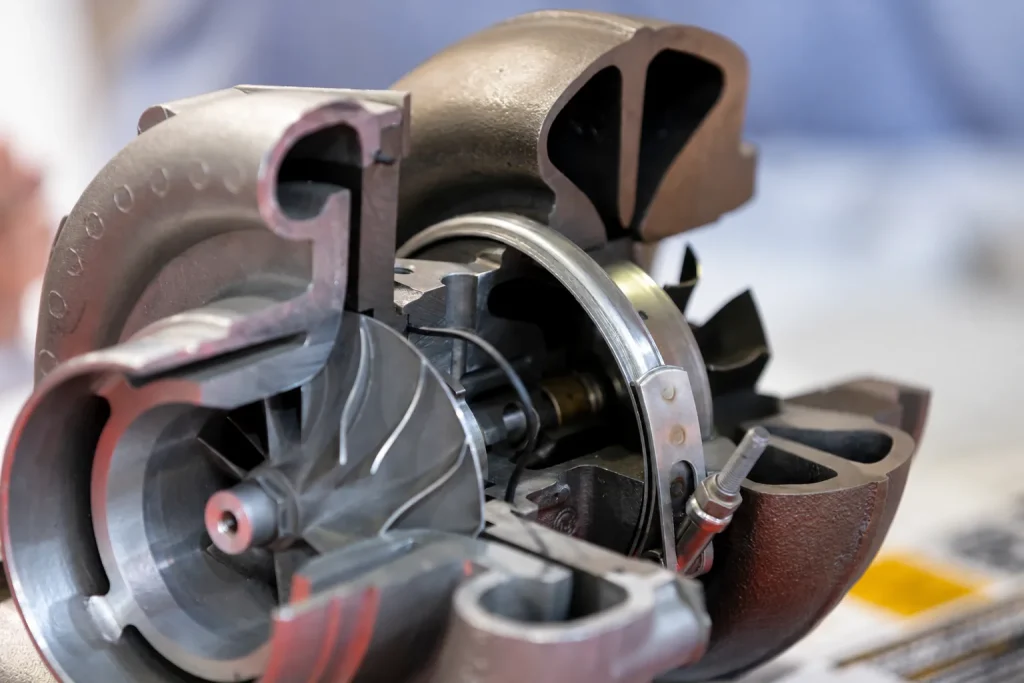
How to Find the Right Turbocharger
Turbochargers may look similar, but the specifications and applications can be different. Using the correct turbo is important for proper fitment and engine performance.
Before ordering, check:
- Turbo Part Number – The best reference for identifying the correct turbo.
- OEM Part Number – Used to cross-check the original application.
- Engine Model – Different engine versions may use different turbos.
- Vehicle or Equipment Details – Make, model and year can help confirm the application.
Do not select a turbo based on appearance alone. If you are unsure, send us the turbo part number, OEM number, engine model or a clear photo of the identification plate. Our team can help you check the correct replacement.
Common Causes of Turbocharger Failure
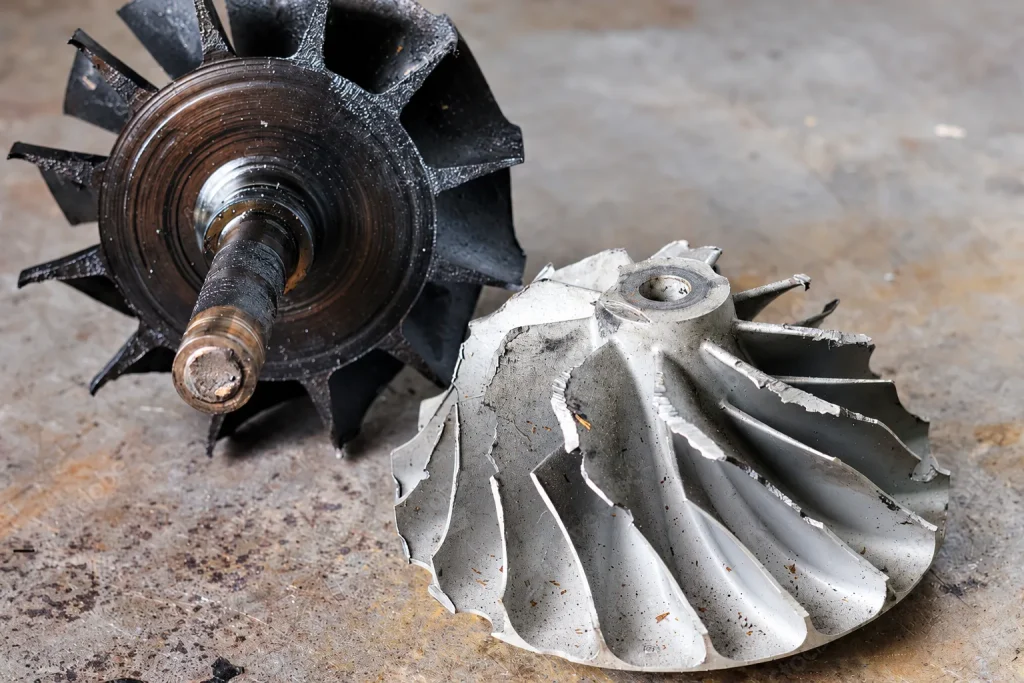
Turbochargers operate at high speed and temperature. Poor lubrication, contamination or problems elsewhere in the engine can cause the turbo to fail earlier than expected.
Oil Starvation
A turbo needs a constant supply of clean engine oil. Low oil pressure, blocked oil feed pipes or using the wrong oil can quickly damage the bearings.
Oil Contamination
Dirty or old engine oil may contain carbon, dirt or metal particles that can damage the turbo bearings and internal components.
Foreign Object Damage
Dirt or other foreign objects entering through the intake or exhaust can damage the compressor or turbine wheel. Even a small object can cause serious damage when the turbo is running at high speed.
High Exhaust Temperature
Excessive exhaust temperature can damage the turbine side and may cause carbon build-up, cracking or wear.
Overspeeding
Air leaks, blocked air filters or incorrect engine settings can cause the turbo to operate above its designed speed and damage the compressor wheel or bearings.
Before replacing a damaged turbo, it is important to check the engine, lubrication, intake and exhaust systems. Fixing the cause of the failure can help prevent the replacement turbo from being damaged again.
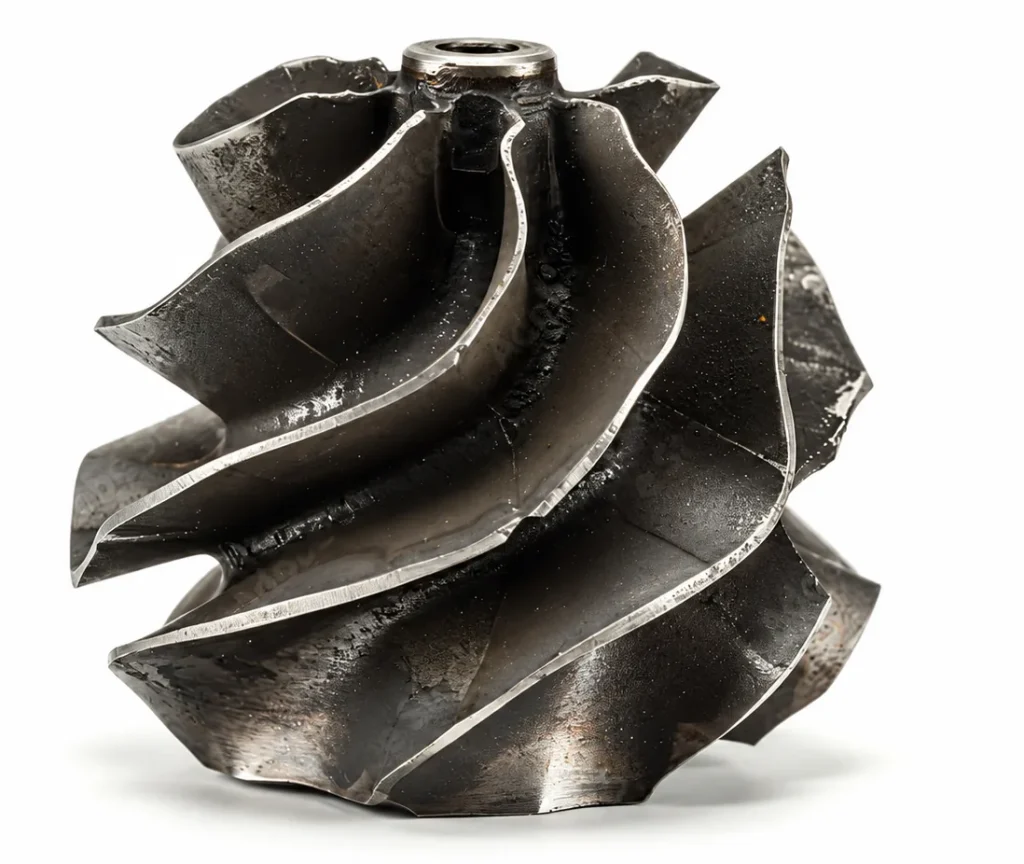
7 Steps to Avoid Turbo Failure
A few basic maintenance checks can help extend turbocharger life and prevent unnecessary damage.
- 1
Use the Correct Engine Oil
Always use the oil grade recommended by the engine manufacturer.
- 2
Change the Oil and Filter on Time
Old or contaminated oil can damage turbo bearings and restrict oil flow.
- 3
Keep the Air Intake Clean
Check the air filter and intake system regularly to prevent dirt or foreign objects from entering the turbo.
- 4
Check the Oil Feed and Drain Lines
Make sure the oil lines are clean and free from blockage, damage or leaks.
- 5
Allow the Engine to Warm Up
Avoid hard acceleration immediately after a cold start. Give the engine oil time to circulate properly.
- 6
Let the Turbo Cool After Heavy Use
After heavy operation, allow the engine to idle briefly before switching it off.
- 7
Check the Engine Before Replacing a Failed Turbo
Find and repair the original cause of the turbo failure before installing the replacement.
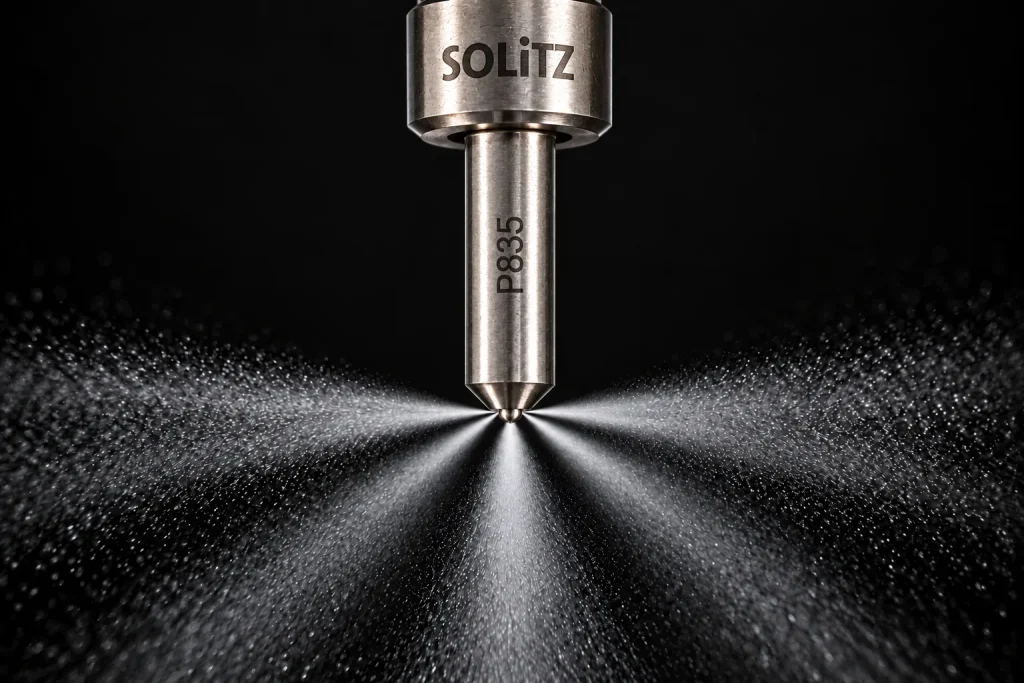
Why Nozzle Spray Pattern Matters
A diesel injector nozzle needs to spray fuel evenly and at the correct angle. A good spray pattern helps the fuel mix properly with air for efficient combustion.
A worn, blocked or damaged nozzle may cause:
- Poor combustion
- Loss of engine performance
- Higher fuel consumption
- Excessive exhaust smoke
- Rough engine operation
- Increased emissions
The spray angle, hole size and number of spray holes vary between nozzle applications. Always use the correct nozzle specification for the injector and engine.
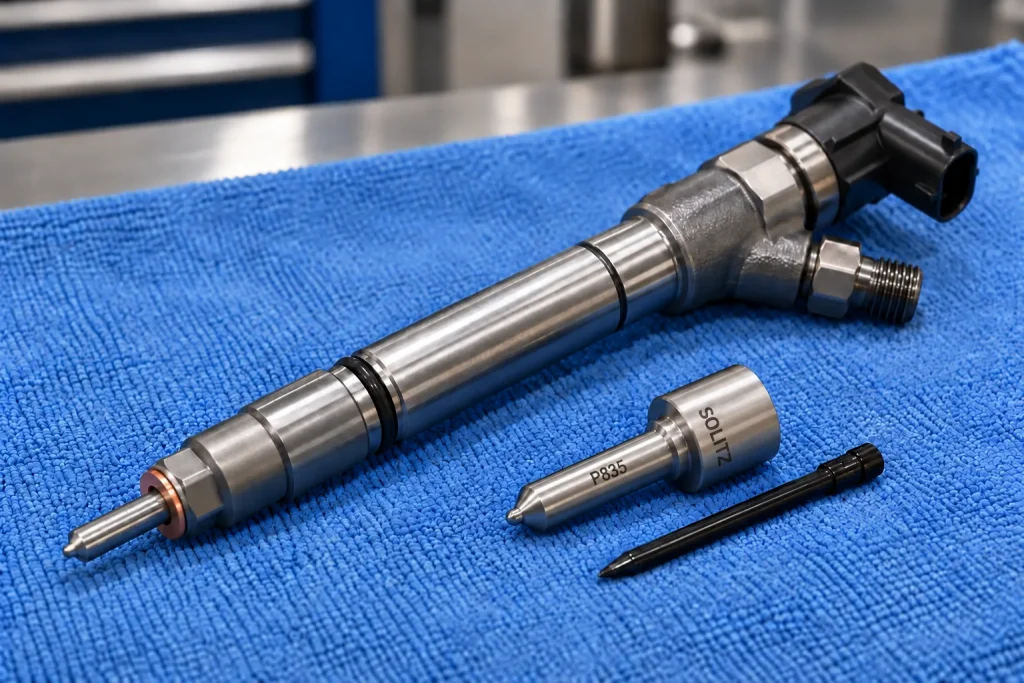
How to Identify the Correct Diesel Nozzle
Diesel nozzles can look almost identical from the outside, but their internal specifications may be different.
Check these details before ordering:
- Nozzle Part Number
- Injector Part Number
- Engine Model
- Nozzle Specification
The spray angle, orifice size and number of spray holes must match the correct application.
Do not identify a nozzle by appearance alone. If you are unsure, send us the nozzle part number, injector number or engine information and we can help you check the correct part.
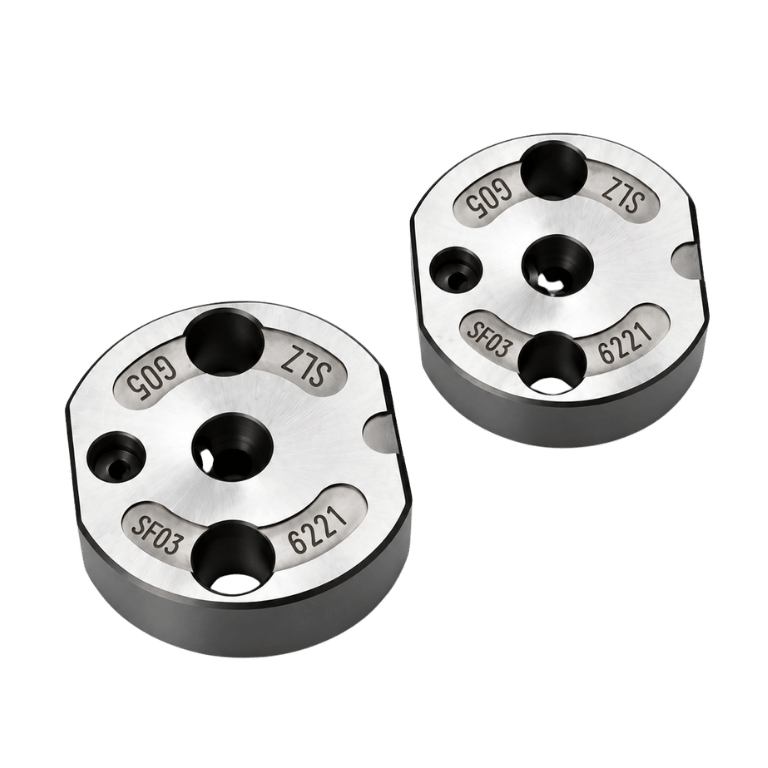
Why Diesel Injector Orifice Precision Matters
The injector orifice controls the amount and flow of fuel in the diesel injection system. Because it is a precision component, even a small difference in size can affect injector operation.
The correct orifice specification helps maintain:
- Accurate fuel delivery
- Consistent injection
- Proper combustion
- Stable engine operation
Wear, contamination or erosion can affect the orifice over time. This may lead to rough engine operation, excessive smoke, reduced performance or higher fuel consumption.
Always check the part number, injector model and application before selecting a replacement orifice.